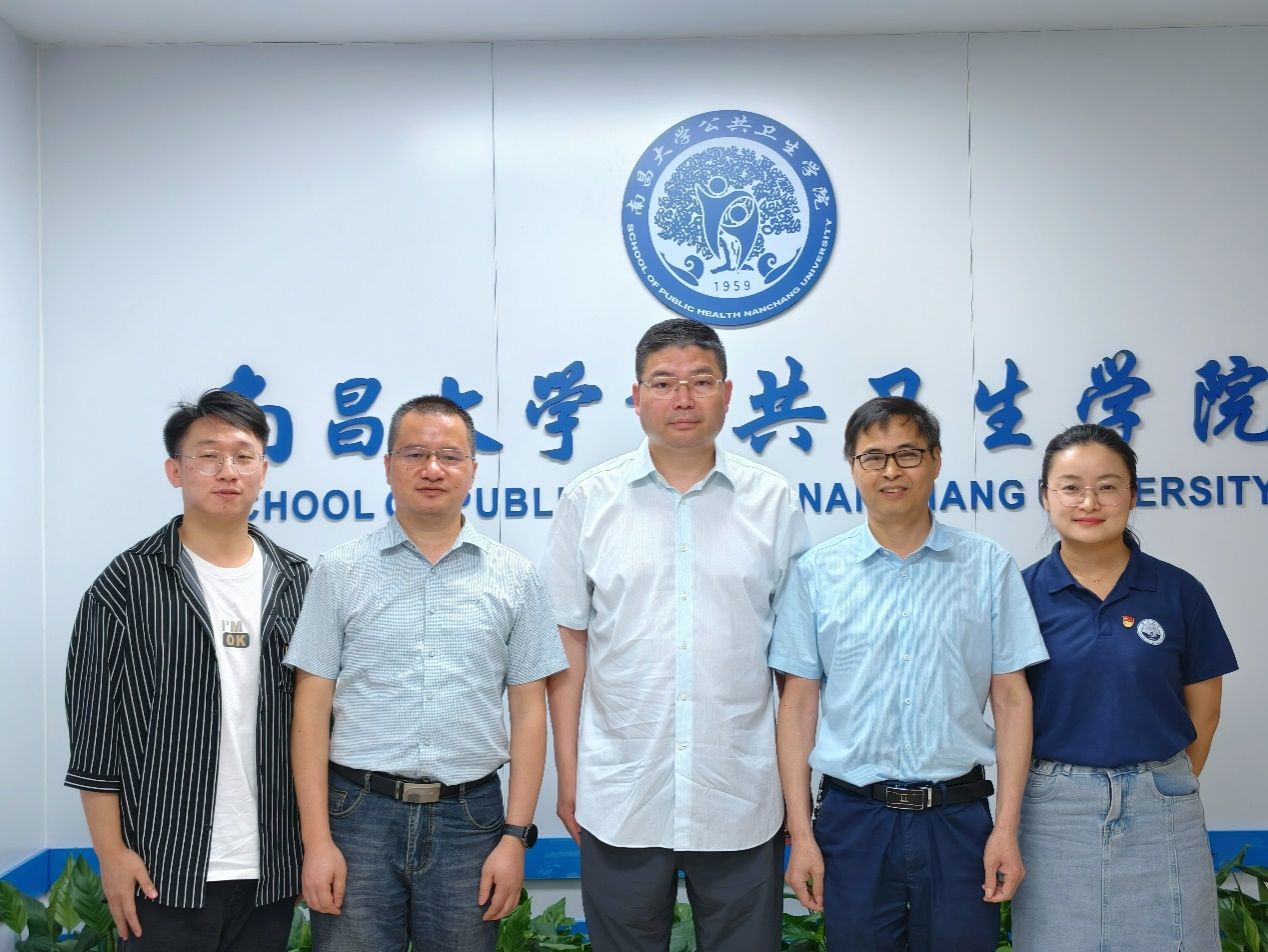
Contributors: Xiaojun Xiao Photos by: Xiaojun Xiao Reviewed by: Zhoumin Wu, Ailan Liu, and Jie Kuang
On June 10, 2026, the School of Public Health at Nanchang University successfully held the 26th Weidao Forum. The forum specially invited Prof. Yong Zhou from the First People's Hospital Affiliated to Shanghai Jiao Tong University School of Medicine, who delivered an academic lecture titled “Jidong Cohort-Empowered Aging Research: From Mechanism Exploration to Precision Intervention”. The session was chaired by Jie Kuang, Director of the Department of Epidemiology, and was attended by more than 50 faculty members and students.
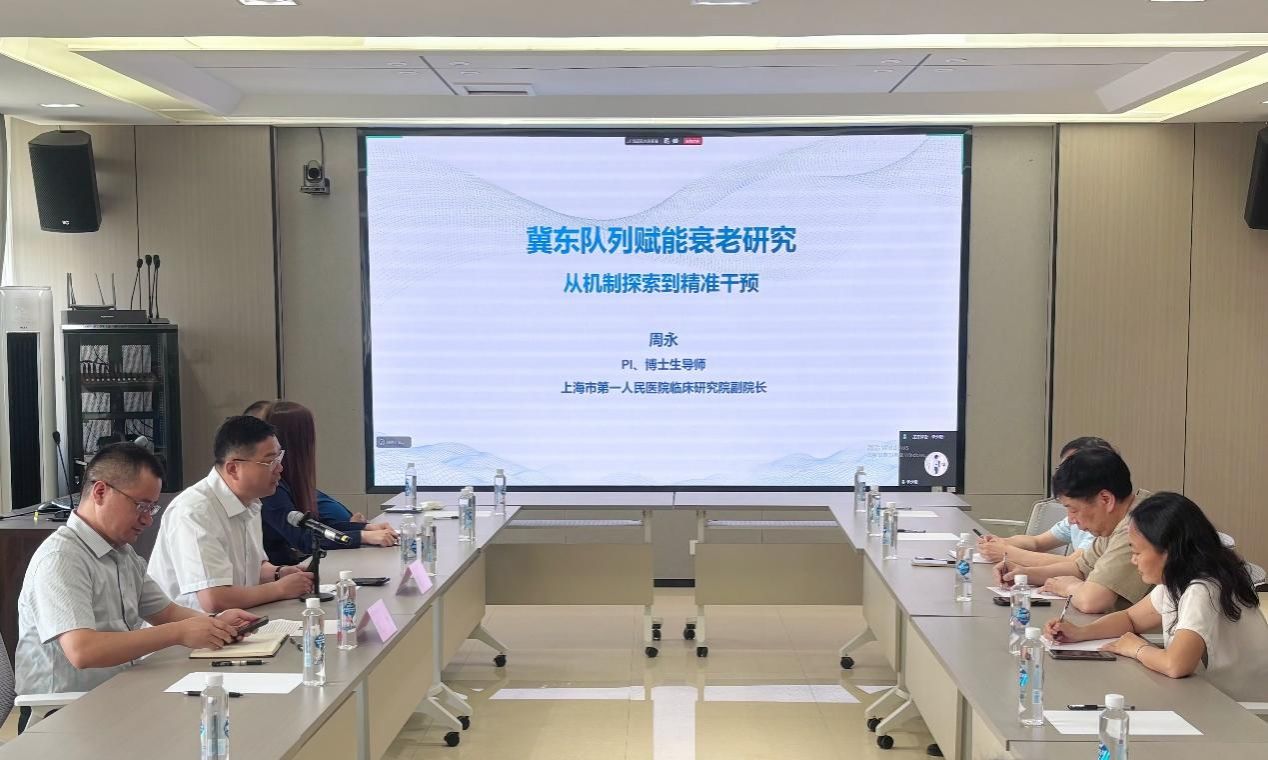
Prof. Zhou systematically shared cutting-edge achievements in aging science and its translational applications across four dimensions: the macro-level background and national strategies, the latest advances in aging science, intervention strategies and translational medicine, and AI-empowered Jidong aging research. He first grounded the discussion in China’s current status as a moderately aging society, elucidating the necessity of anti-aging research and analyzing the biological essence of aging, its six hallmarks, and the chronological progression of organ aging. He then highlighted the multidisciplinary research conducted by his team based on the Jidong Aging Cohort in Tangshan, Hebei Province (enrolling 14,518 community-dwelling individuals with up to 15 years of follow-up), which has formed an achievement system characterized by “new targets, new technologies, and new translations.” Leveraging cohort data, the team has carried out multiple AI-driven aging studies, including the integration of multimodal images to construct biological age measurement tools, dietary intervention randomized controlled trials, thermal image analysis, multimodal fatty liver prediction, retinal age gap assessment for reproductive aging, transcriptomic mining of nutritional targets, and large model-based precision aging prediction, fully demonstrating the broad application prospects of AI technology in aging research.
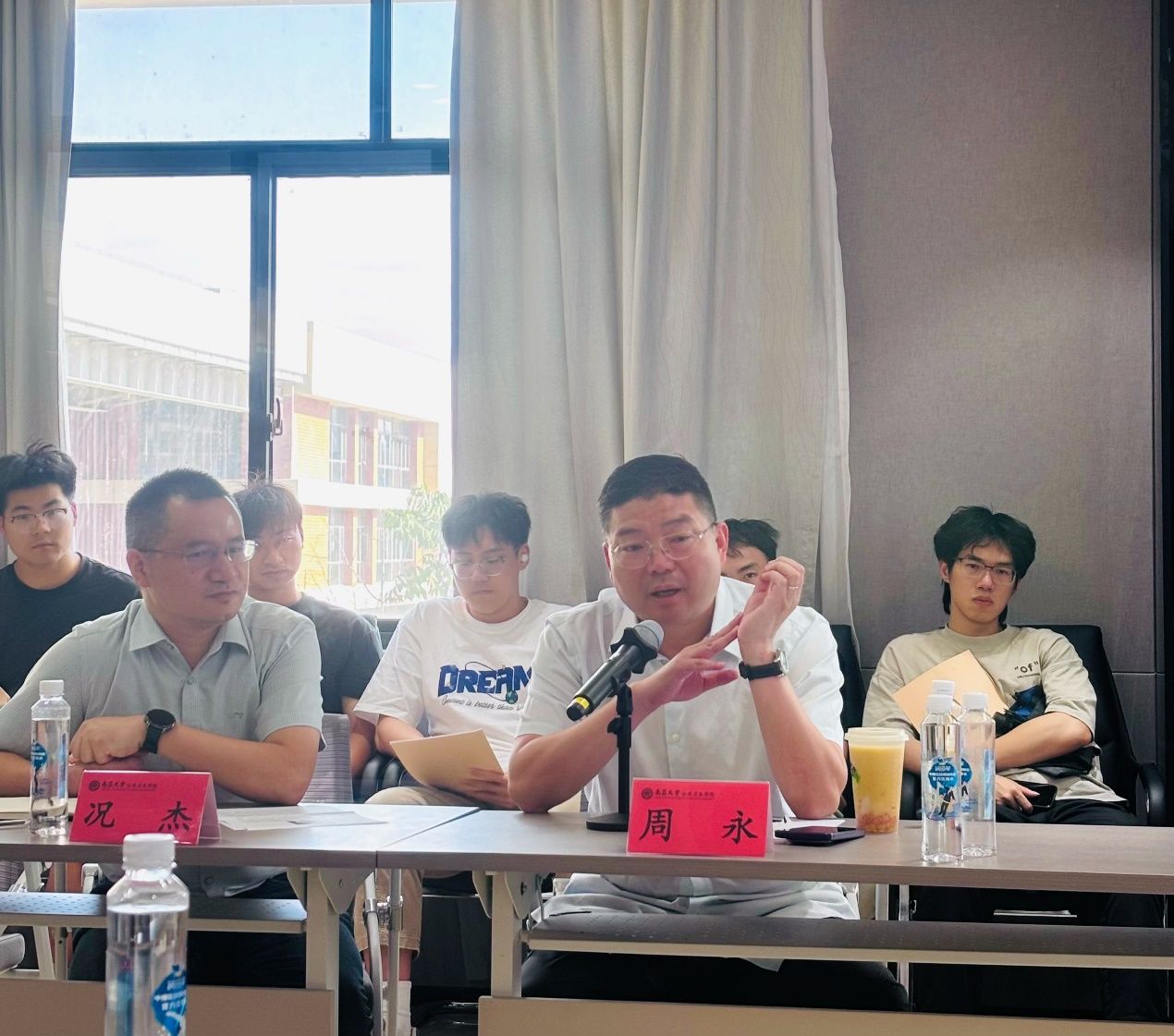
During the interactive discussion session, faculty and students raised questions on topics such as the long-term follow-up mechanism of the Jidong Cohort, the technical advantages of multimodal AI aging models, precision interventions, and industrial translation. Prof. Zhou addressed each question and discussed future directions for interdisciplinary research at the intersection of aging medicine and artificial intelligence.
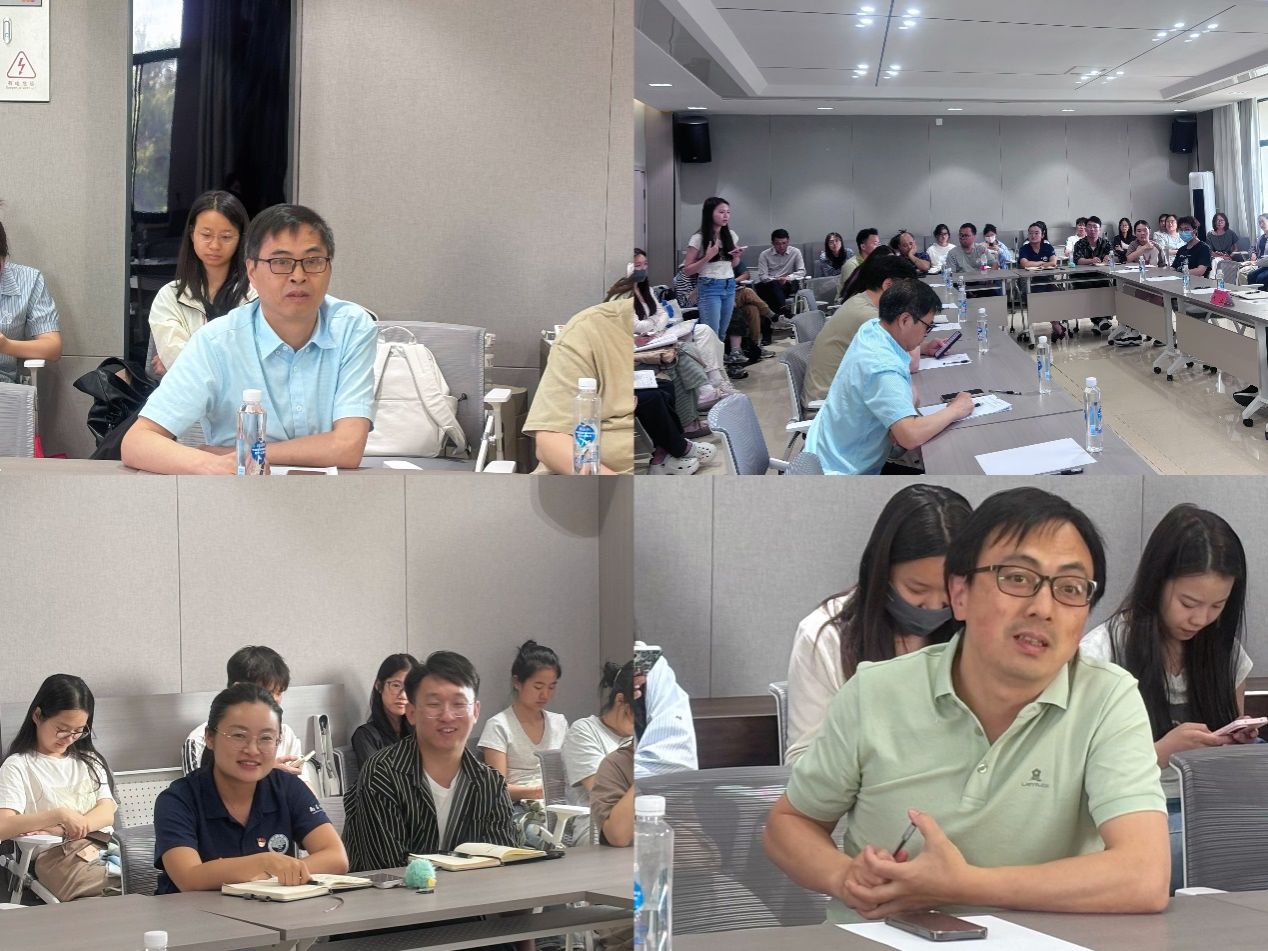
Closely aligned with the practical needs of population aging and the national health development strategy,the forum showcased innovative achievements in AI-empowered aging research. The forum provided participants with deeper insight into aging mechanisms and precision intervention, while further broadening academic perspectives on interdisciplinary studies in public health.