Contributors: Yong Liu ; SiPing Luo Reviewed by: Zhoumin Wu, Ailan Liu, Wu Lei
On the afternoon of September 21, the midterm implementation progress meeting for the commissioned research project “Investigation of Scrub Typhus in Jiangxi Province” was held in Room 402 of Second Experimental Building. The project is commissioned by the Nanchang Center for Disease Control and Prevention and implemented by the School of Public Health, Nanchang University. Attendees included Wei Gao, Dean of the School of Public Health, Nanchang University; Hui Li, Party Secretary and Director of the Nanchang Center for Disease Control and Prevention (Nanchang Health Comprehensive Supervision and Law Enforcement Bureau); and Xiaoling Zhang , Deputy Director. The meeting was chaired by Yong Liu, Member of the Party Committee of the School of Public Health. Relevant project faculty members and graduate students from both institutions attended.
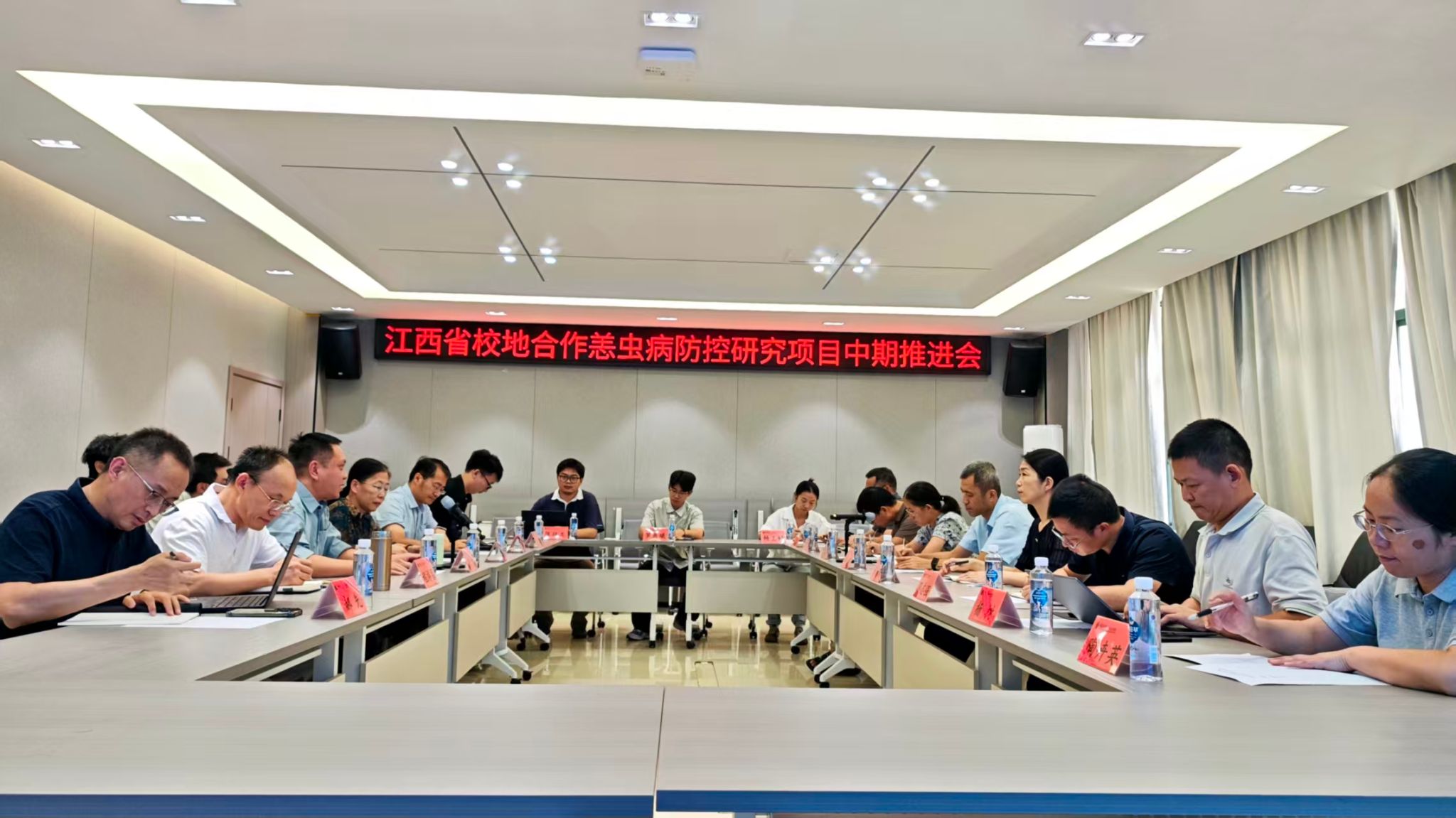
Since the two sides signed cooperation agreements for six subprojects in May 2024, they have completed project proposal review, preliminary assessment, and midterm inspection. This meeting, held at the midterm of project implementation, aimed to summarize phased achievements in university–local collaborative research and to plan next-stage tasks. The project comprises six subprojects, four of which reported progress at the meeting. Focusing on epidemiological investigation, ecological environment, risk factors, laboratory testing, risk prediction and early warning, and host and vector surveillance, the project is jointly pursued by the university and local CDC and has entered the stage of results refinement, model validation, and application translation.
At the meeting, Yong Liu delivered a phased summary and thematic report. According to the report, the two sides have jointly conducted field surveillance in multiple locations, captured more than 200 rodents, and completed testing of related samples, laying a foundation for association analysis among hosts, vectors, and pathogens. Research on ecological and environmental factors has produced a series of findings, indicating marked seasonality of scrub typhus in Jiangxi, with June–November as the key prevention and control window. In risk prediction, incidence-series modeling has been completed, and a related manuscript is being prepared for submission.
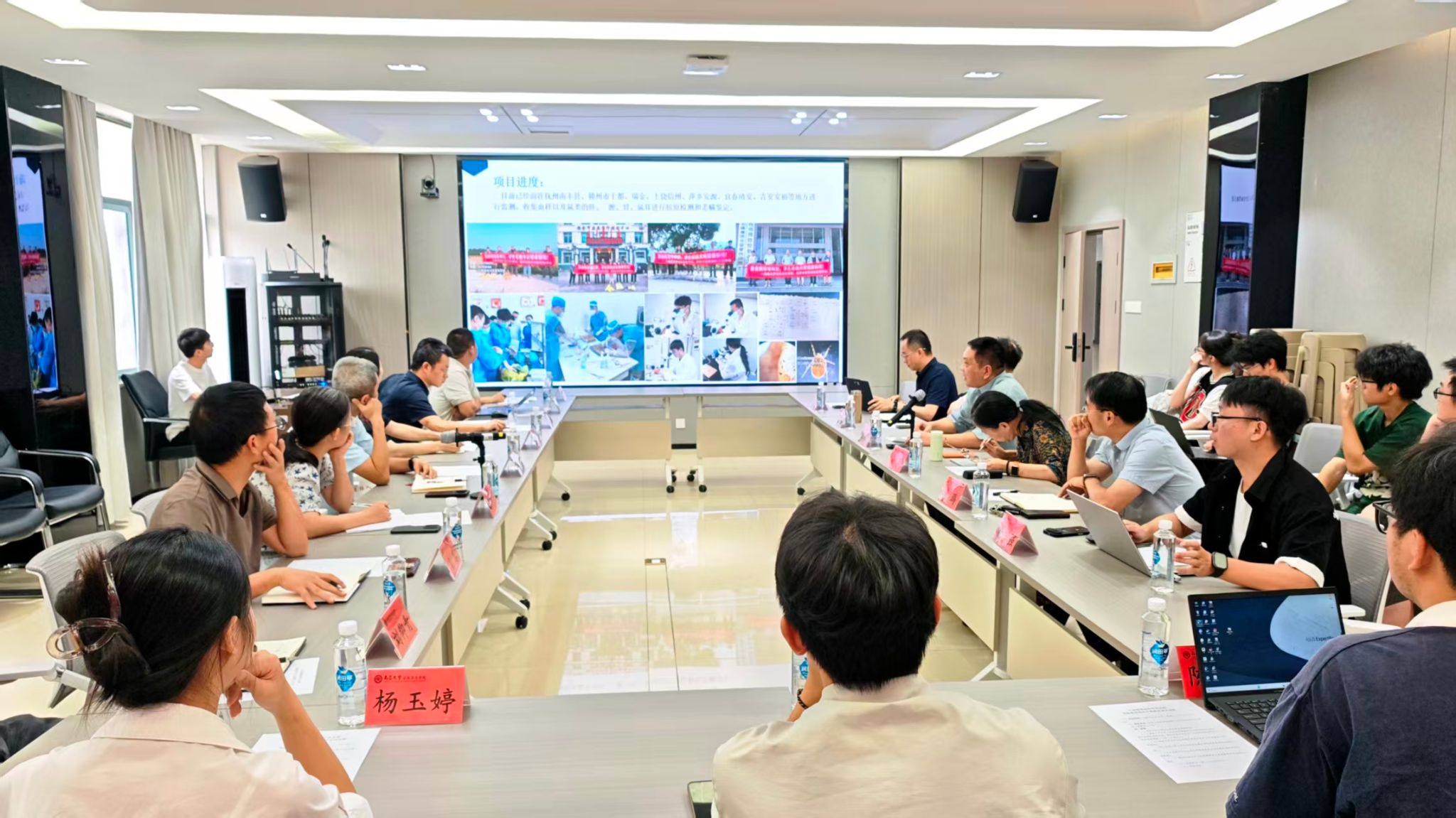
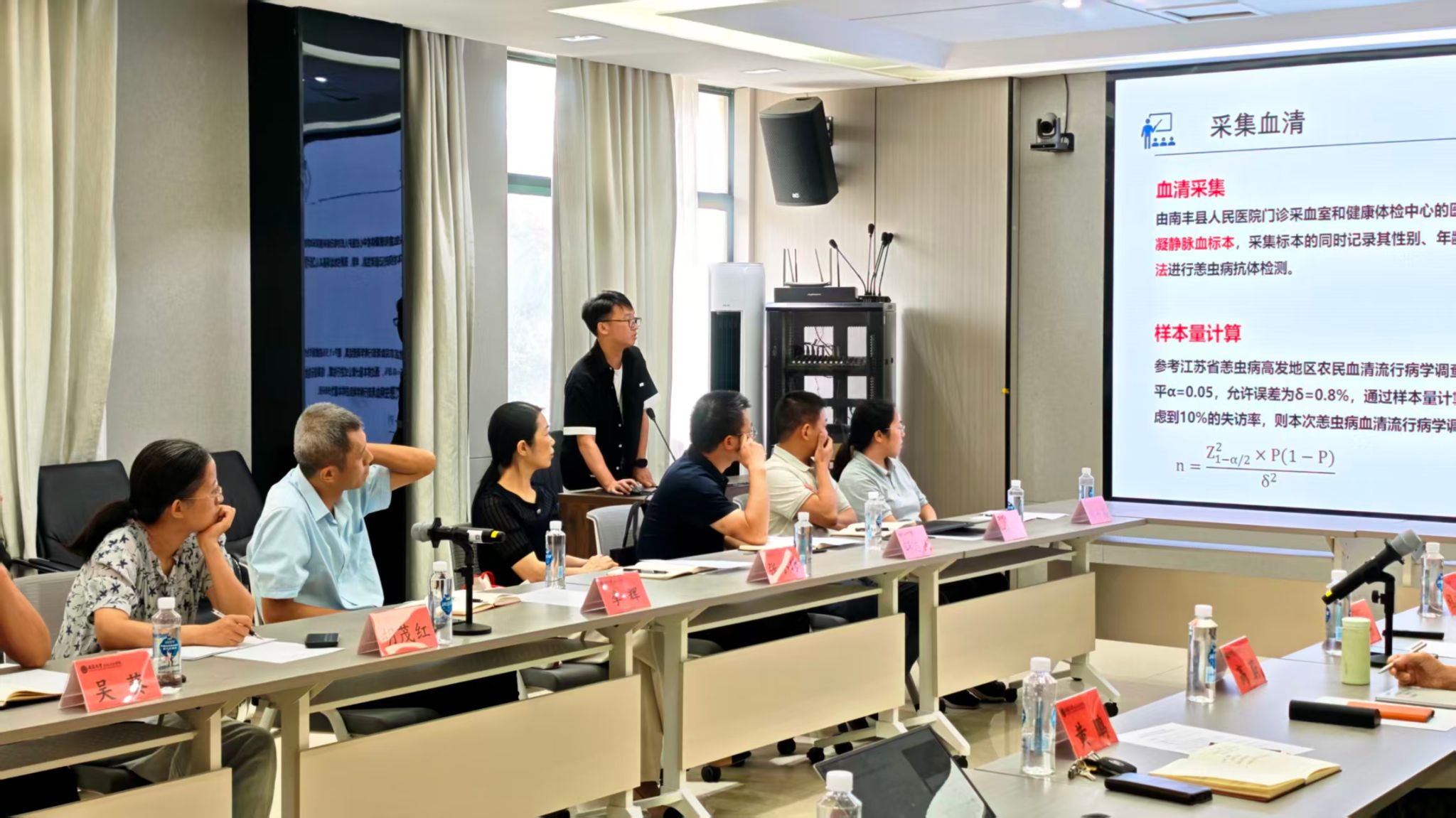
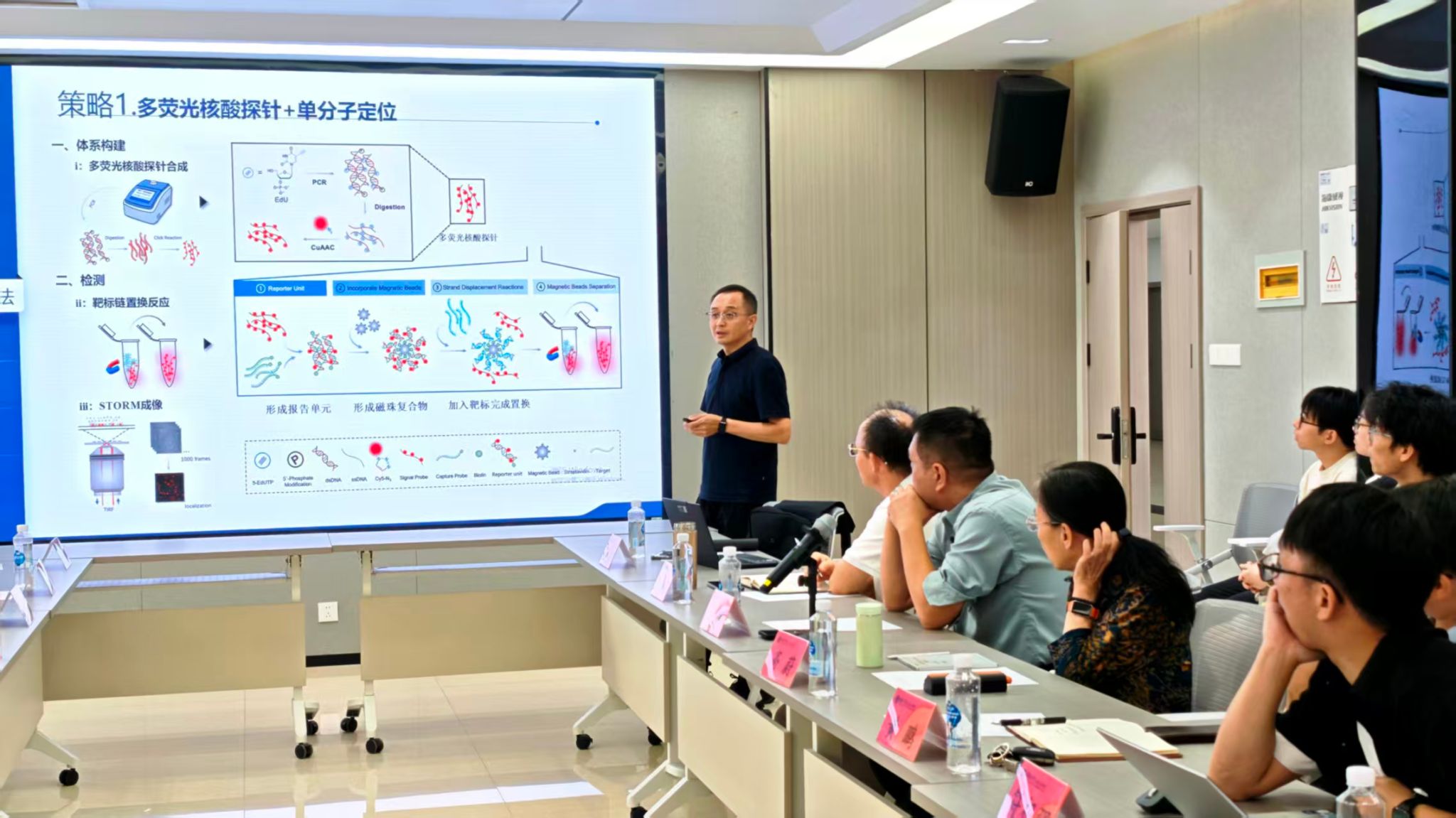
The four subproject teams then reported their progress. Zuqiang Fu reported on the seroepidemiological survey of Orientia tsutsugamushi; next steps include improving positivity determination, result review procedures, and population-stratified analysis. Peng Huang reported on a case-control study of risk factors; subsequent work will include sample verification, variable organization, and manuscript submission. Xianglei Cheng reported on the development of a rapid detection kit; optimization of chemiluminescence immunoassay conditions has beencompleted, and methodological evaluation will be conducted next. Xian Hao reported on early detection methods; a paper on the relevant detection platform has been published, a patent application has been filed, and clinical validation will be conducted with an expanded independent sample size.
During the midterm management assessment, the two sides had in-depth exchanges on project progress, collaboration mechanisms, and next-stage arrangements. The meeting concluded that the project is progressing smoothly overall. Leveraging the “university research strengths + CDC field resources” model, the two sides have established a solid foundation for cooperation in field investigation, sample collection, laboratory testing, and data analysis, and have achieved phased results with academic value and prospects for prevention and control application. Next, they will standardize the archiving of samples, data, and research materials; clarify output definitions, validation status, and delivery milestones; and ensure the project is completed on schedule.
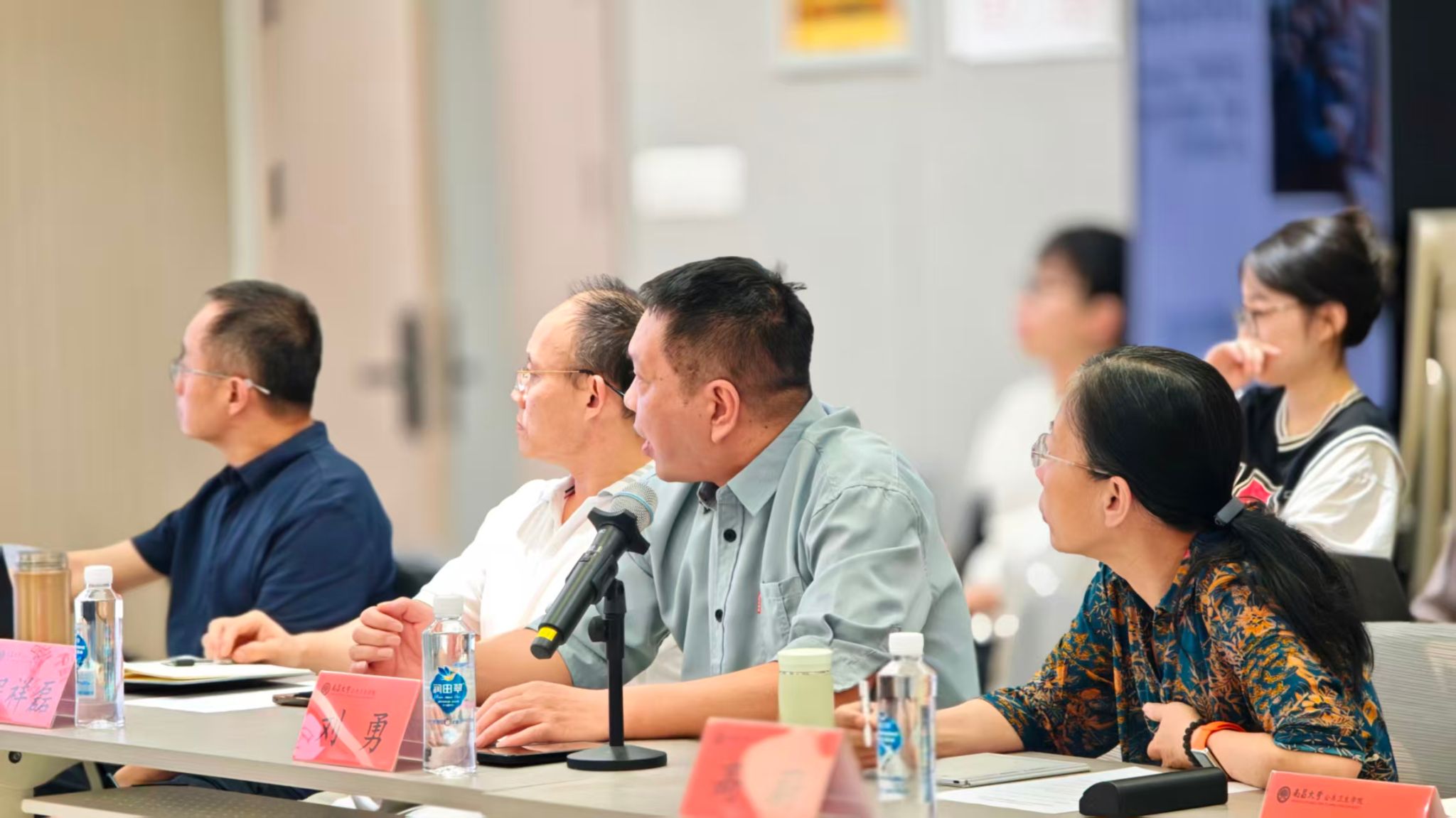
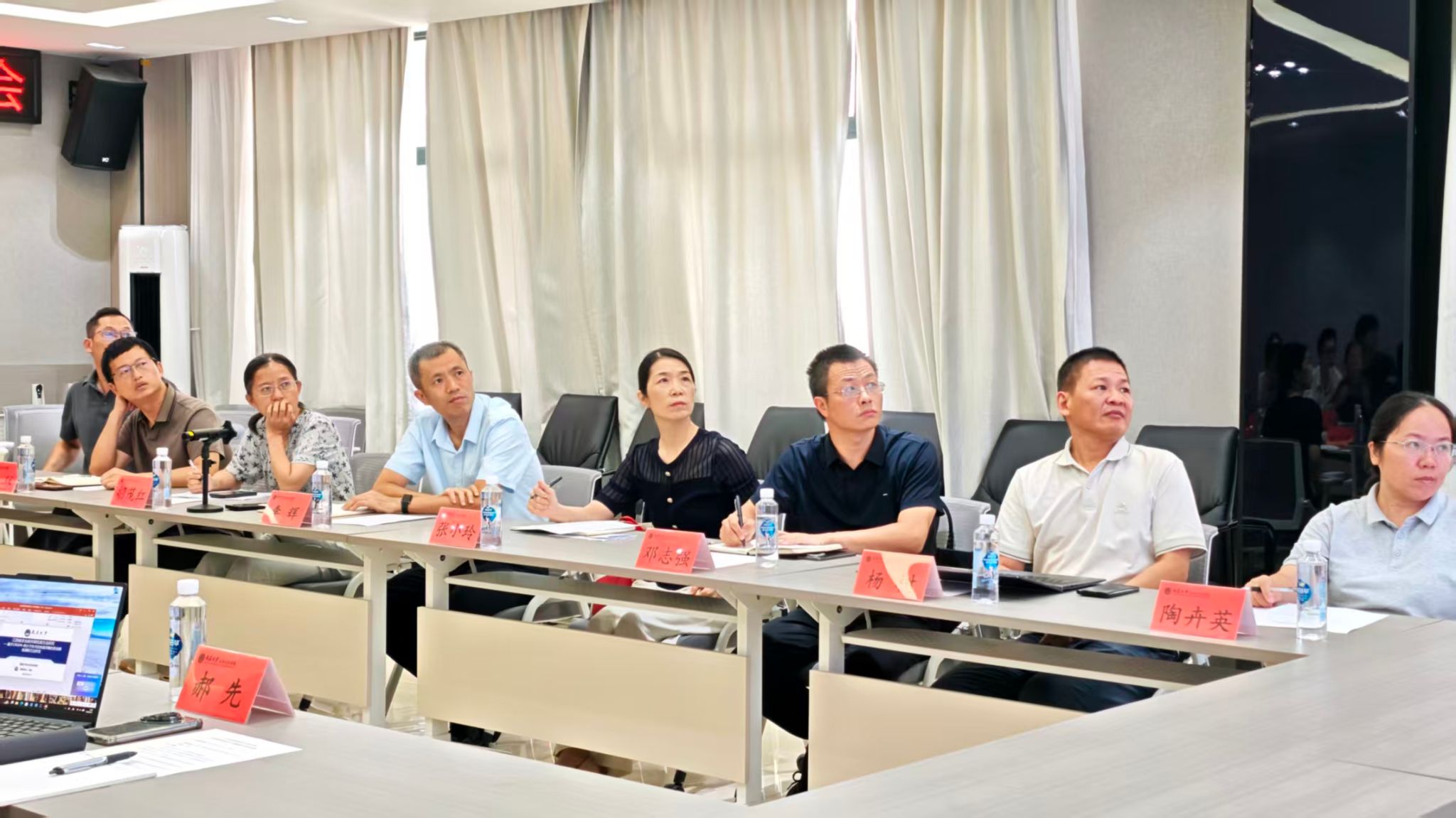
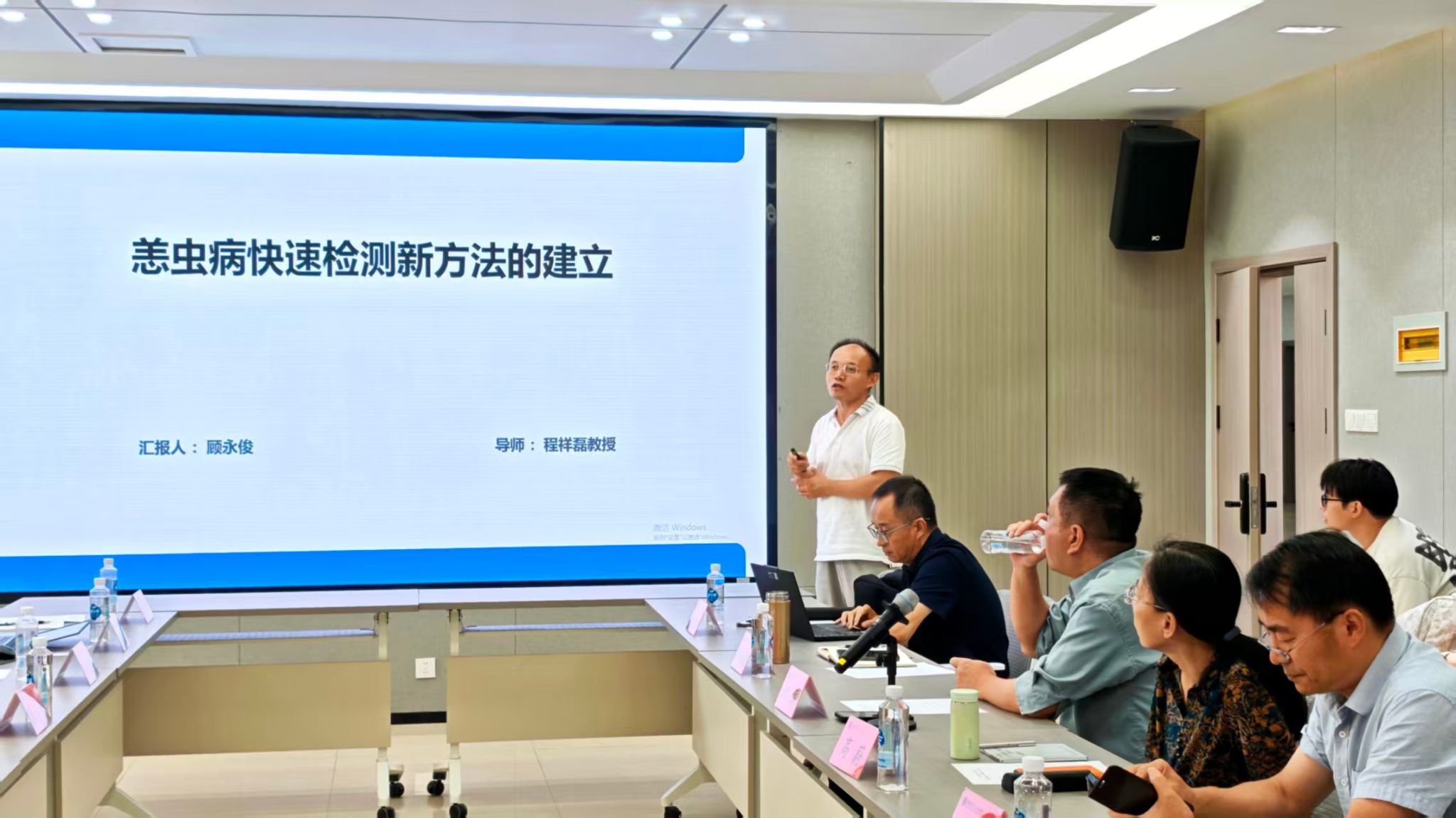
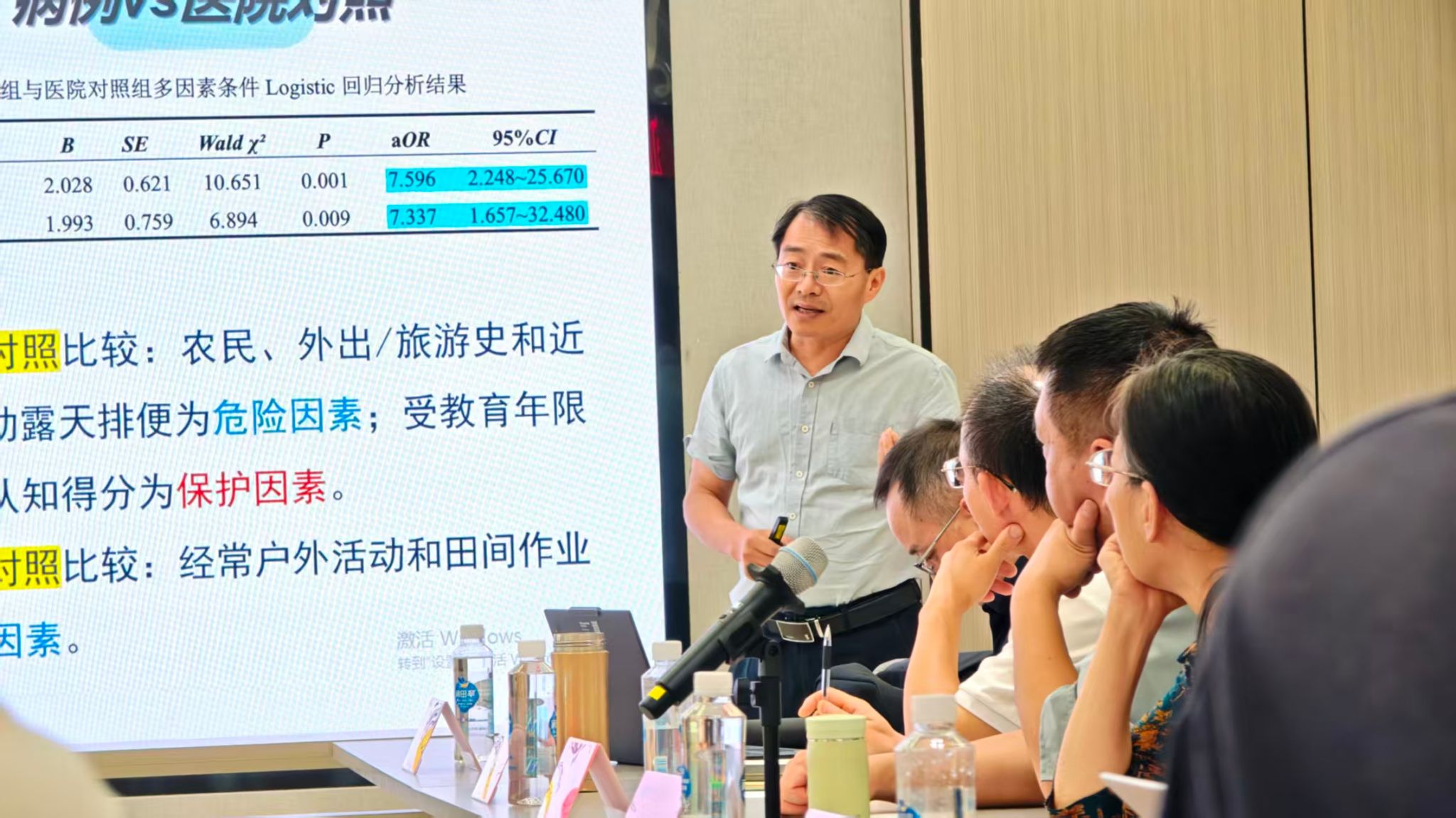
Finally, both sides stated that they will standardize the maintenance of the biological sample bank and thematic database, promote data sharing and joint research, strengthen surveillance and early warning, translation of results, and practical technology research, and explore extending observational studies toward interventional studies. Based on Jiangxi’s prevention and control needs and the “1+12+N” regional CDC alliance, they will plan a three-year cooperation program, advance surveillance in key areas, case cohorts, laboratory technologies, risk assessment, national standards development and reserve, and talent development, and continuously enhance the capacity of research outcomes to serve CDC practice and public health decision-making.